Reporterre | 14 septembre 2024 | Reportage – monde
[English & arabic translation at the end]
Depuis deux semaines, les forces israéliennes ont lancé une opération militaire d’envergure en Cisjordanie. Les champs et les villages sont aussi touchés. « C’est vraiment dur pour nous », se désolent des agriculteurs.
Beyrouth (Liban), correspondance
Tulkarem pleure ses morts, et ses champs. Cette ville moyenne du nord de la Cisjordanie, réputée pour son sol fécond et ses agrumes, a enterré douze de ses habitants, tués par les forces israéliennes lors de leur grande offensive militaire en Cisjordanie, encore en cours. Elle a aussi perdu des hectares de terres agricoles, bulldozées ou confisquées.
Entamée le 28 août, l’opération « Camps d’été » vise à affaiblir les factions armées palestiniennes dans les grandes villes et camps de réfugiés du nord : Jénine, Tubas et Tulkarem, faisant plus de 40 morts palestiniens armés ou civils et 1 mort israélien. L’armée, le Shin Bet (renseignement israélien) et la police militaire poursuivent les raids quotidiens contre des combattants — mais sont aussi accusés de délibérément anéantir des infrastructures civiles, s’attirant les foudres de l’Organisation des Nations unies (ONU).

« Ce n’est pas la première fois qu’ils détruisent notre maison, mais là on a vraiment tout perdu », se désole Ibrahim [*], agriculteur et étudiant en sciences agricoles à Tulkarem. Sa maison et son potager, au cœur du camp de réfugiés Nour Shams, ont été réduits en gravats par les bulldozers israéliens.
« Économiquement, c’est vraiment dur pour nous. On doit louer ailleurs et on a perdu nos sources de revenus : je ne pourrais plus payer mes frais pour me réinscrire à l’université cette rentrée, écrit-il dans un message WhatsApp, en précisant qu’il recherche des dons pour l’aider à reconstruire. Il n’y avait aucun objectif militaire chez nous, on ne comprend pas pourquoi ils font cela. Mais c’est la réalité de l’occupation, et on ne peut rien faire contre. »
Lire aussi : En Cisjordanie occupée, la vie des agriculteurs assiégés
Et comme si une catastrophe ne suffisait pas, les champs de sa coopérative agricole, Juzur as-Shams (Racines du ciel, en référence au nom du camp de réfugiés où elle est située), ont aussi été confisqués par les autorités israéliennes. Elles étaient situées dans les zones maraîchères près du mur de séparation, qui délimite la frontière avec Israël.
« Depuis le 7 octobre, ils ne veulent rien qui soit proche de cette zone, même si c’étaient juste des terres agricoles », explique Ibrahim. Il n’est pas le seul : plusieurs agriculteurs de cette zone ont dû céder des terres pour créer une zone tampon, ou même les perdre en entier. L’association Juzur as-Shams, qui offre un revenu à six jeunes ainsi qu’à des volontaires du camp, a failli perdre son autre terrain, mais l’ordre d’éviction a été rescindé.

Ruines et zones rurales sous siège
« L’invasion israélienne a un effet catastrophique sur les zones agricoles, confirme Mohammad Fahmi Nimr al-Marii, agriculteur à Kafr Dan, un village à l’ouest de Jénine. Comme les soldats bouclent toutes les routes et tirent sur tout ce qui bouge, les agriculteurs ne peuvent plus accéder à leurs champs pour les cultiver, les récolter, les irriguer. On risque de perdre toute la récolte automnale. »
Kafr Dan, comme Tulkarem, a enterré son lot de « martyrs » : trois morts, dont une fillette de 14 ans. « C’était la fille de mes voisins, elle s’est penchée par la fenêtre pour observer les soldats, ils lui ont tiré dessus. Deux autres enfants, qui allaient acheter du pain, ont aussi été pris pour cible », se désole-t-il. Dans un communiqué, le porte-parole de l’armée israélienne a indiqué que « des agents terroristes opèrent dans des camps en Judée et en Samarie [le nom hébreu pour le nord de la Cisjordanie] à partir de bâtiments civils et en exploitant l’infrastructure civile ».
« Quelle est la faute des arbres, des cultures, des fleurs qui ornaient les trottoirs ? »
Al-Marii est le responsable de la coopérative agricole de Kafr Dan : c’est lui qui met en commun la récolte de ses membres et qui les vend sur les marchés environnants. « Comme les routes sont fermées ou détruites, ce n’est plus possible », ajoute-t-il. En effet, pendant dix jours, les forces israéliennes ont fermé les accès à Jénine, assiégé ses hôpitaux, et détruit 70 % de ses routes principales à coups de bulldozers — officiellement pour les déminer. « Quelle est la faute des arbres, des cultures, des fleurs qui ornaient les trottoirs, des canalisations d’eau ? » s’exclame l’agriculteur.
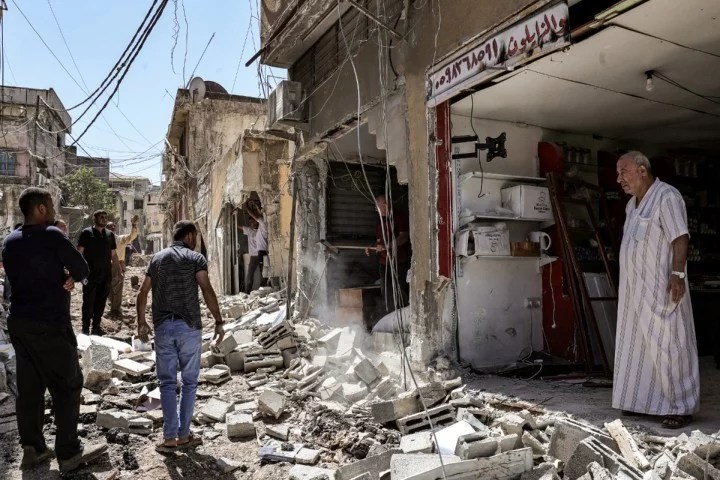
Après le retrait du gros des forces israéliennes, le 5 septembre, les habitants et journalistes, jusqu’alors confinés chez eux, ont découvert que le centre-ville de Jénine avait été réduit en décombres. Cette tactique de la terre brûlée fait craindre l’importation des méthodes utilisées à Gaza depuis le 7 octobre, s’alarment des spécialistes.
Si le nord de la Cisjordanie est pris pour cible, le reste n’est pas épargné. « En parallèle, les attaques de colons contre les terres rurales palestiniennes se sont intensifiées », note Abeer al-Butmeh, coordinatrice de l’association environnementale palestinienne Pengon-Amis de la Terre. À Tulkarem, mais aussi autour de Bethlehem et Naplouse, des vidéos montrent des arbres incendiés, des cultures arrachées. Vivant à Naplouse, al-Butmeh doit se rentre à Ramallah pour son travail : « Cela peut mettre plus de huit heures aller-retour, avec tous les checkpoints qu’il y a en ce moment, contre deux heures normalement », témoigne-t-elle depuis sa voiture, faisant la file devant l’un d’eux. Et si Naplouse semblait avoir été épargnée par l’opération « Camps d’été », les raids quotidiens continuent. « C’est le pire que cela n’ait jamais été, même avant le 7 octobre », dit l’activiste environnementale.
En un an, plus de 660 Palestiniens ont été tués et 10 000 arrêtés en Cisjordanie, le « troisième front » sur lequel se bat l’État hébreu, après Gaza et le Liban-Sud.
(*) Le prénom a été modifié à sa demande.
———————————————————————————-
The worst Israeli offensive in twenty years destroys villages and fields in the West Bank
Over the last two weeks, Israeli forces have launched a large-scale military operation in the West Bank. Fields and villages have also been affected. ‘It’s really hard for us’, say some farmers.
Beirut (Lebanon), correspondence
Tulkarem mourns its dead – and its fields. This medium-sized town in the north of the West Bank, renowned for its fertile soil and citrus fruits, has buried twelve of its inhabitants, killed by Israeli forces during their major military offensive in the West Bank, which is still under way. It has also lost hectares of farmland, bulldozed or confiscated.
Launched on 28 August, the ‘Summer Camps’ operation was aimed at weakening the armed Palestinian factions in the major towns and refugee camps in the north: Jenin, Tubas and Tulkarem, resulting in more than 49 Palestinian deaths, both armed and civilian, and 1 Israeli death. The army, the Shin Bet (Israeli intelligence) and the military police continue their daily raids against fighters – but are also accused of deliberately destroying civilian infrastructure, drawing the wrath of the United Nations Organization (UN).
‘It’s not the first time they’ve destroyed our house, but this time we’ve really lost everything’, laments Ibrahim [*], a farmer and agricultural science student in Tulkarem. His house and vegetable garden, in the heart of the Nour Shams refugee camp, have been reduced to rubble by Israeli bulldozers.
‘Economically, it’s really hard for us. We have to rent somewhere else and we’ve lost our sources of income: I won’t be able to pay my fees to enroll at university again this autumn,’ he wrote in a WhatsApp message, adding that he was looking for donations to help him rebuild. “There was no military objective here, we don’t understand why they are doing this. But that’s the reality of the occupation, and there’s nothing we can do about it”, he added.
And as if one disaster was not enough, the fields of his agricultural cooperative, Juzur as-Shams (Roots of the Sky, referring to the name of the refugee camp), were also confiscated by the Israeli authorities. They were located in the agricultural areas near the separation wall, which demarcates the border with Israel.
‘Since 7 October, they haven’t wanted anything close to this area, even if it was just farmland’, explains Ibrahim. He is not the only one affected: several farmers in the area have had to give up land to create a buffer zone, or even lost it altogether. The Juzur as-Shams association, which provides an income for six young people and volunteers in the camp, almost lost its other plot of land, but the eviction order was rescinded.
Ruins and rural areas under siege
“The Israeli invasion is having a catastrophic effect on agricultural areas,” confirms Mohammad Fahmi Nimr al-Marii, a farmer in Kafr Dan, a village to the west of Jenin. “As the soldiers are sealing off all the roads and shooting at anything that moves, farmers can no longer access their fields to cultivate, harvest and irrigate them. We risk losing the entire autumn harvest”, he added.
Kafr Dan, like Tulkarem, has buried its share of ‘martyrs’: three dead, including a 14-year-old girl. ‘She was my neighbour’s daughter. She leaned out of the window to watch the soldiers and they shot her. Two other children, who were going to buy bread, were also targeted’, he laments. In a statement, the Israeli army spokesman said that ‘terrorist agents operate in camps in Judea and Samaria [the Hebrew name for the northern West Bank] from civilian buildings and by exploiting civilian infrastructure’.
Al-Marii is in charge of the Kafr Dan agricultural cooperative, which pools the harvests of its members and sells them at nearby markets. ‘As the roads are closed or destroyed, this is no longer possible’, he adds. For ten days, Israeli forces have closed access to Jenin, laid siege to its hospitals and bulldozed 70% of its main roads – officially to clear them of mines. ‘What’s the fault of the trees, the crops, the flowers on the pavements, the water pipes?’ the farmer protests.
After the withdrawal of the bulk of the Israeli forces on 5 September, residents and journalists, who had previously been confined to their homes, discovered that Jenin town centre had been reduced to rubble. This scorched earth tactic is raising fears that the methods used in Gaza since 7 October will be imported, experts are warning.
While the north of the West Bank is being targeted, the rest is not being spared. ‘At the same time, settler attacks on Palestinian rural land have intensified’, notes Abeer al-Butmeh, coordinator of the Palestinian environmental association Pengon-Friends of the Earth. In Tulkarem, but also around Bethlehem and Nablus, videos show trees set on fire and crops uprooted. Living in Nablus, al-Butmeh has to go back to Ramallah for work: ‘It can take more than eight hours there and back, with all the checkpoints there are at the moment, as opposed to the usual two hours’, she says from her car, queuing in front of one of them.
And although Nablus seemed to have been spared by Operation Summer Camp, the daily raids continue. ‘This is the worst it’s ever been, even before 7 October’, says the environmental activist. In one year, more than 700 Palestinians have been killed and 10,000 arrested in the West Bank, the ‘third front’ on which the Jewish state is fighting, after Gaza and southern Lebanon.
(*) The name has been changed at his request.
—————————————————————————————-
أسوأ هجوم إسرائيلي منذ عشرين عاماً يدمر قرى وحقولاً في الضفة الغربية
شنت القوات الإسرائيلية خلال الأسبوعين الماضيين عملية عسكرية واسعة النطاق في الضفة الغربية. كما تضررت الحقول والقرى. يقول بعض المزارعين: ”هذا أمر صعب للغاية بالنسبة لنا“.
بيروت (لبنان)، مراسلة
طولكرم تنعى قتلاها – وحقولها. هذه البلدة المتوسطة الحجم في شمال الضفة الغربية، التي تشتهر بتربتها الخصبة والحمضيات، دفنت اثني عشر من سكانها الذين قتلتهم القوات الإسرائيلية خلال هجومها العسكري الكبير في الضفة الغربية الذي لا يزال مستمراً. كما فقدت هكتارات من الأراضي الزراعية التي تم تجريفها أو مصادرتها.
تهدف عملية ”المخيمات الصيفية“ التي بدأت في 28 آب/أغسطس إلى إضعاف الفصائل الفلسطينية المسلحة في البلدات الرئيسية ومخيمات اللاجئين في الشمال: جنين، وطوباس، وطولكرم، مما أسفر عن مقتل أكثر من 49 فلسطينيًا، من المسلحين والمدنيين على حد سواء، ومقتل إسرائيلي واحد. ويواصل الجيش والشاباك (المخابرات الإسرائيلية) والشرطة العسكرية غاراتهم اليومية ضد المقاتلين – لكنهم متهمون أيضًا بتدمير البنية التحتية المدنية عمدًا، مما أثار غضب منظمة الأمم المتحدة.
يقول إبراهيم [*]، وهو مزارع وطالب علوم زراعية في طولكرم، متحسّرًا: ”إنها ليست المرة الأولى التي يدمرون فيها منزلنا، ولكن هذه المرة فقدنا كل شيء حقًا“. لقد تحول منزله وحديقة الخضروات في قلب مخيم نور شمس للاجئين إلى ركام بفعل الجرافات الإسرائيلية.
”من الناحية الاقتصادية، الأمر صعب للغاية بالنسبة لنا. علينا أن نستأجر مكانًا آخر وفقدنا مصادر دخلنا: لن أتمكن من دفع رسومي للالتحاق بالجامعة مرة أخرى هذا الخريف”، كما كتب في رسالة على الواتساب، مضيفًا أنه يبحث عن تبرعات لمساعدته في إعادة البناء. ”لم يكن هناك هدف عسكري هنا، لا نفهم لماذا يفعلون ذلك. ولكن هذا هو واقع الاحتلال، ولا يمكننا فعل شيء حيال ذلك“.
وكما لو أن كارثة واحدة لم تكن كافية، فقد صادرت السلطات الإسرائيلية أيضًا حقول تعاونيته الزراعية ”جذور الشمس“ (جذور السماء، في إشارة إلى اسم مخيم اللاجئين). وكانت تقع في المناطق الزراعية القريبة من الجدار العازل الذي يرسم الحدود مع إسرائيل.
ويوضح إبراهيم: ”منذ 7 أكتوبر/تشرين الأول، لم يريدوا أي شيء قريب من هذه المنطقة، حتى لو كانت مجرد أراضٍ زراعية“. وهو ليس الوحيد المتضرر من ذلك: فقد اضطر العديد من المزارعين في المنطقة إلى التخلي عن الأراضي لإنشاء منطقة عازلة، أو حتى فقدوها تمامًا. كادت جمعية جذور الشمس، التي توفر دخلاً لستة من الشباب والمتطوعين في المخيم، أن تفقد قطعة الأرض الأخرى التي كانت تملكها، ولكن تم إلغاء أمر الإخلاء.
الخراب والمناطق الريفية تحت الحصار
يؤكد محمد فهمي نمر المريع، وهو مزارع من قرية كفر دان الواقعة إلى الغرب من جنين، أن ”الاجتياح الإسرائيلي يؤثر بشكل كارثي على المناطق الزراعية“. ”بما أن الجنود يغلقون جميع الطرقات ويطلقون النار على كل ما يتحرك، لم يعد بإمكان المزارعين الوصول إلى حقولهم لزراعتها وحصادها وريها. نحن نخاطر بفقدان محصول الخريف بأكمله“.
لقد دفنت كفر دان، مثل طولكرم، نصيبها من ”الشهداء“: ثلاثة قتلى، من بينهم فتاة تبلغ من العمر 14 عامًا. ‘كانت ابنة جاري. انحنت من النافذة لتراقب الجنود فأطلقوا النار عليها. كما تم استهداف طفلين آخرين، كانا ذاهبين لشراء الخبز، وقد تم استهدافهما أيضًا’. وقال المتحدث باسم الجيش الإسرائيلي في بيان له إن ‘عملاء الإرهاب يعملون في معسكرات في يهودا والسامرة [الاسم العبري لشمال الضفة الغربية] من مبانٍ مدنية وباستغلال البنية التحتية المدنية’.
المريعي مسؤول عن تعاونية كفر دان الزراعية التي تجمع محاصيل أعضائها وتبيعها في الأسواق القريبة. ويضيف: ”لم يعد ذلك ممكنًا بسبب إغلاق الطرق أو تدميرها“. منذ عشرة أيام، أغلقت القوات الإسرائيلية مداخل جنين وفرضت حصارًا على مستشفياتها وجرفت 70% من طرقها الرئيسية – رسميًا لتطهيرها من الألغام. ويحتج المزارع قائلاً: ”ما ذنب الأشجار والمحاصيل والزهور على الأرصفة وأنابيب المياه؟
وبعد انسحاب الجزء الأكبر من القوات الإسرائيلية في 5 أيلول/سبتمبر، اكتشف السكان والصحفيون الذين كانوا قد التزموا منازلهم في السابق، أن وسط مدينة جنين قد تحول إلى ركام. ويحذّر الخبراء من أن تكتيك الأرض المحروقة هذا يثير المخاوف من استيراد الأساليب المستخدمة في غزة منذ 7 تشرين الأول/أكتوبر.
وفي الوقت الذي يتم فيه استهداف شمال الضفة الغربية، فإن بقية مناطق الضفة الغربية ليست بمنأى عن الاستهداف. وتشير عبير البطمة، منسقة جمعية أصدقاء الأرض البيئية الفلسطينية ”بينغون-أصدقاء الأرض“، إلى أنه ”في الوقت نفسه، تكثفت هجمات المستوطنين على الأراضي الريفية الفلسطينية“. في طولكرم، وكذلك حول بيت لحم ونابلس، تُظهر مقاطع فيديو إضرام النار في الأشجار واقتلاع المحاصيل. وتضطر البطمة التي تعيش في نابلس إلى الذهاب إلى رام الله للعمل: ”قد يستغرق الأمر أكثر من ثماني ساعات ذهابًا وإيابًا مع كل نقاط التفتيش الموجودة في الوقت الحالي، بدلًا من ساعتين في المعتاد“، كما تقول من سيارتها وهي تقف في طابور أمام أحد هذه النقاط.
وعلى الرغم من أن نابلس تبدو وكأنها قد نجت من عملية المخيم الصيفي، إلا أن المداهمات اليومية مستمرة. تقول الناشطة البيئية: ”هذا هو أسوأ ما حدث، حتى قبل 7 أكتوبر“. في عام واحد، قُتل أكثر من700 فلسطينيًا واعتقل 10,000 فلسطيني في الضفة الغربية،
الجبهة الثالثة’ التي تقاتل فيها الدولة اليهودية بعد غزة وجنوب لبنان.
(*) تم تغيير الاسم الأول بناءً على طلبه.


